
Many parents sense it quietly, the growing emotional distance between themselves and their children. Conversations become shorter. Personal topics are avoided. What once felt natural now feels strained. And often, parents do not know how to close that gap.
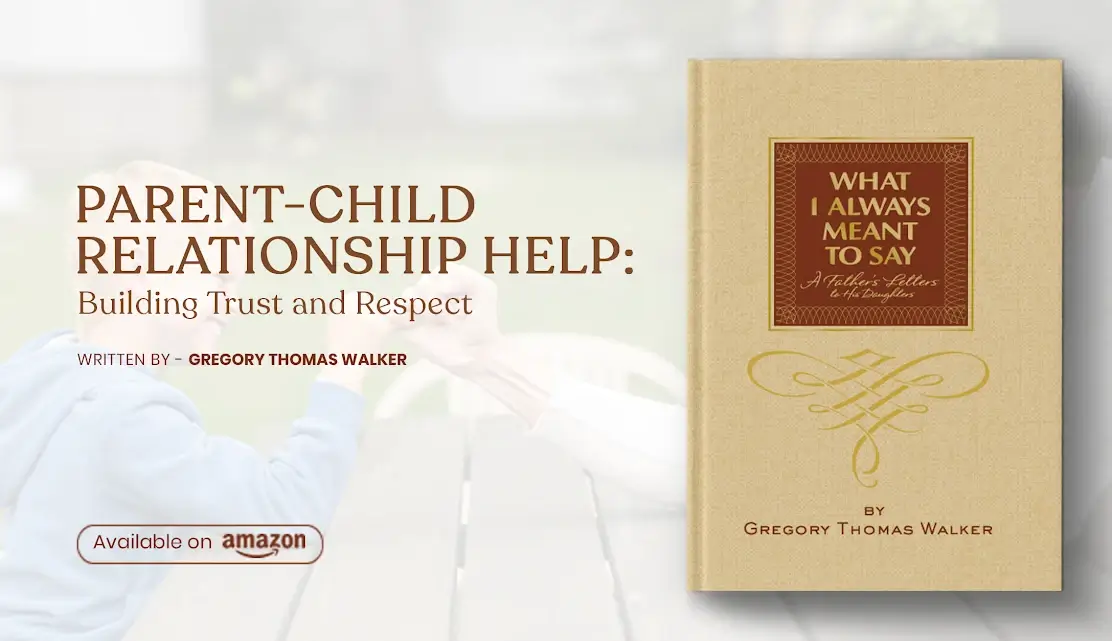
In What I Always Meant to Say: A Father’s Letters to His Daughters, Gregory Thomas Walker offers deeply personal parent-child relationship help rooted in honesty and vulnerability. After nearly two decades of fatherhood, he realized that too many meaningful things had been left unsaid. Rather than allowing silence to define his legacy, he chose to write heartfelt letters to his daughters, addressing faith, love, money, race, identity, and responsibility.
His approach is simple but transformative: rebuild connection through truth, unconditional love, and respectful communication. For parents seeking guidance on improving parent-child relationships, this book provides practical insight and emotional clarity.
Why Parent-Child Relationships Break Down
Parent-child relationships rarely fracture overnight. Instead, distance builds gradually. Parents focus on daily responsibilities, such as school schedules, chores, and behavior corrections, while the deeper conversations never happen.
Gregory openly admits that after 19 years of fatherhood, too many important truths were left unspoken; the absence of those conversations quietly created uncertainty where trust and assurance should have lived. When children do not hear consistent affirmation, guidance, and openness, they may interpret silence as indifference or disapproval.
Without effective communication with kids, misunderstandings grow. Assumptions replace clarity. Emotional walls rise.
True trust and respect in parenting require more than discipline or provision. They require presence. They require vulnerability. When meaningful conversations are postponed too long, the relational gap widens.
5 Ways Gregory Walker’s Book Helps You Build Trust and Respect
Gregory’s letters address what many parents feel but struggle to say out loud. His transparency is what makes his guidance so impactful. Each lesson offers actionable tips for strengthening parent-child relationships that can transform how families communicate and connect.
1. Start with Unconditional Love
Children who feel loved unconditionally are more secure, more open, and more willing to communicate. Gregory’s first letter makes it unmistakably clear: his love for his daughters does not depend on performance, agreement, or perfection.
This foundational message reshapes the entire relationship. When children know love is constant, they are less defensive and more receptive. Building trust with children begins here.
Parents can practice this by separating identity from behavior correct mistakes without questioning worth. Affirm love during conflict, not only during success. Consistent reassurance strengthens emotional safety.
2. Build Trust Through Honest Conversations
Children withdraw when they feel judged, dismissed, or lectured. Gregory recognized that lectures create resistance, not connection. His solution was honesty, expressed through thoughtful letters that invited reflection instead of demanding compliance.
This approach models respectful communication with kids. Rather than controlling the narrative, he opened dialogue. He shared his beliefs, experiences, and values without forcing agreement. That openness changed the emotional dynamic between father and daughters.
Parents seeking help with their parent-child relationship can follow this example by asking questions instead of making accusations. Replace immediate correction with curiosity. Listen fully before responding. When children feel heard, they speak more freely. When they feel respected, they respond with respect. Trust grows through dialogue, not dominance.
3. Teach Respect Through Your Own Example
Children learn far more from observation than from instruction. Telling a child to be respectful carries little weight if the parent models impatience or inconsistency.
Gregory’s letters demonstrate integrity in action. His guidance about responsibility, trustworthiness, work ethic, and relationships reflects his own lived example. Through transparency, he shows what respect looks like, not just in theory, but in practice.
Trust and respect in parenting require consistency between words and actions. Speak calmly. Apologize when wrong. Honor commitments. When children witness integrity, they internalize it. Respect becomes mutual rather than demanded. This is one of the most powerful ways of improving parent-child relationships over time.
4. Have the Conversations That Feel Uncomfortable
Avoiding difficult subjects does not shield children; it leaves them unprepared. Gregory addressed faith, money, love, sex, race, and identity directly. He understood that silence invites confusion.
Tackling these topics head-on models courage. It also signals to children that no subject is off-limits. That transparency strengthens effective communication with kids and reinforces trust.
Parents often hesitate because they fear saying the wrong thing. But improving parent-child relationships requires stepping beyond surface-level discussions.
Start the conversation even if it feels imperfect. A sincere attempt is more valuable than polished avoidance. Difficult discussions handled respectfully can deepen the connection rather than strain it.
5. Give Them a Foundation, Not Just Rules
Rules without explanation create frustration. Values with reasoning create understanding. Gregory’s letters offer principles, not just instructions. He provides his daughters with moral foundations rooted in faith, responsibility, and identity.
This approach strengthens trust and respect in parenting because it equips children to make decisions independently. When young adults understand the “why” behind guidance, they are more likely to internalize it.
Rather than controlling behavior through strict oversight, Gregory empowers through wisdom. He builds identity and character, giving his daughters tools that extend far beyond childhood.
Lasting parent-child relationships help focus on equipping rather than enforcing. Foundations endure long after rules fade.
Practical Parent-Child Relationship Tips from Gregory’s Book
Do not wait for a crisis to begin meaningful dialogue. Start small. Write a note. Share a chapter from What I Always Meant to Say. Use one topic as a conversation starter during a quiet moment.
Here are practical parent-child relationship tips inspired by Gregory’s example:
- Initiate one honest conversation each week.
- Listen without interrupting.
- Share personal stories, including mistakes.
- Revisit topics rather than expecting one talk to solve everything.
- Express love clearly and frequently.
Improving parent-child relationships begins with intentional effort. You do not need perfect timing. You need willingness. Even a brief but sincere exchange can reopen emotional doors.
Gregory’s letters provide the language many parents struggle to find. They serve as both inspiration and blueprint for rebuilding trust step by step.
Where to Find This Book
What I Always Meant to Say is available through Barnes & Noble’s online store. Parents ready to strengthen their connection, build deeper trust, and engage in more respectful conversations can easily purchase a copy for personal use or as a thoughtful gift. For those seeking meaningful parent-child relationship help, this book offers practical, heartfelt guidance.
Final Thoughts
Parent-child relationship help does not come from flawless parenting. It comes from courageous connection.
Gregory Thomas Walker demonstrates that rebuilding trust begins with honesty. His letters show that even after years of silence, meaningful communication can restore closeness.
When parents choose vulnerability over avoidance, they model strength, not weakness. They build trust. They cultivate respect. And they create a relationship that lasts well beyond childhood.
Sometimes the most powerful step forward is simply saying what you always meant to say.
FAQs
Q1: How does this book help the parent-child relationship?
A1: It gives parents a real, honest framework through a father’s personal letters for building trust, respect, and open communication with their children.
Q2: What parent-child relationship tips does Gregory Walker share?
A2: Unconditional love, honest conversations, leading by example, tackling difficult topics, and giving children a strong value-based foundation.
Q3: Is this book suitable for all types of families?
A3: Yes. Gregory’s trust and respect in parenting approach applies to any parent wanting a deeper, more meaningful relationship with their child.
Q4: Can this book help parents who have already lost connection with their child?
A4: Absolutely. Gregory’s letters show that it is never too late to say what matters; rebuilding trust starts with one honest conversation.
Q5: Where can I buy What I Always Meant to Say book?
A5: It is available on Barnes & Noble’s online store and the author’s official website shop, making it easy to order as a personal copy or a heartfelt gift.